
Nexus Energy Logo Nexus Energy Contact Us
Menu
Contact Us

Natural Gas Exports: Canada’s Role in Global Energy Markets

Understanding how Canadian liquefied natural gas shapes global energy supply, economic growth, and the country’s position in international markets

10 min read Intermediate March 2026
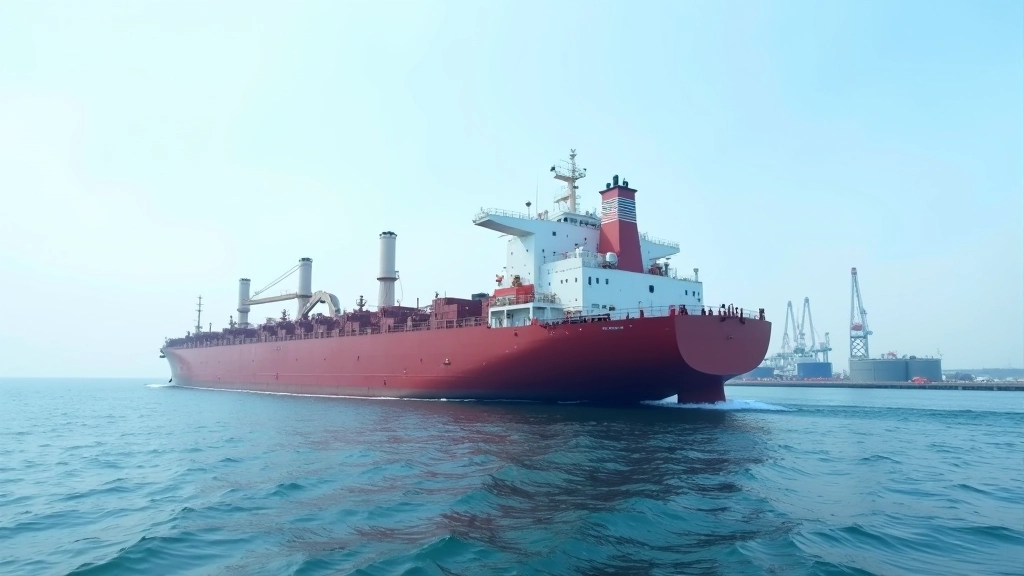
Large liquefied natural gas tanker vessel operating at industrial port terminal with modern infrastructure

Canada’s Energy Export Leadership

Canada’s natural gas sector represents one of the country’s most significant economic contributions. It’s not just about producing energy — it’s about connecting global markets and stabilizing worldwide supply chains. The nation controls roughly 3% of global natural gas reserves, making it a critical player in international energy dynamics.

Over the past decade, Canadian liquefied natural gas (LNG) exports have grown substantially. The infrastructure supporting these exports — from production facilities to export terminals — represents billions in capital investment. These developments reshape regional economies, create skilled employment, and influence Canada’s geopolitical standing in energy-dependent nations worldwide.

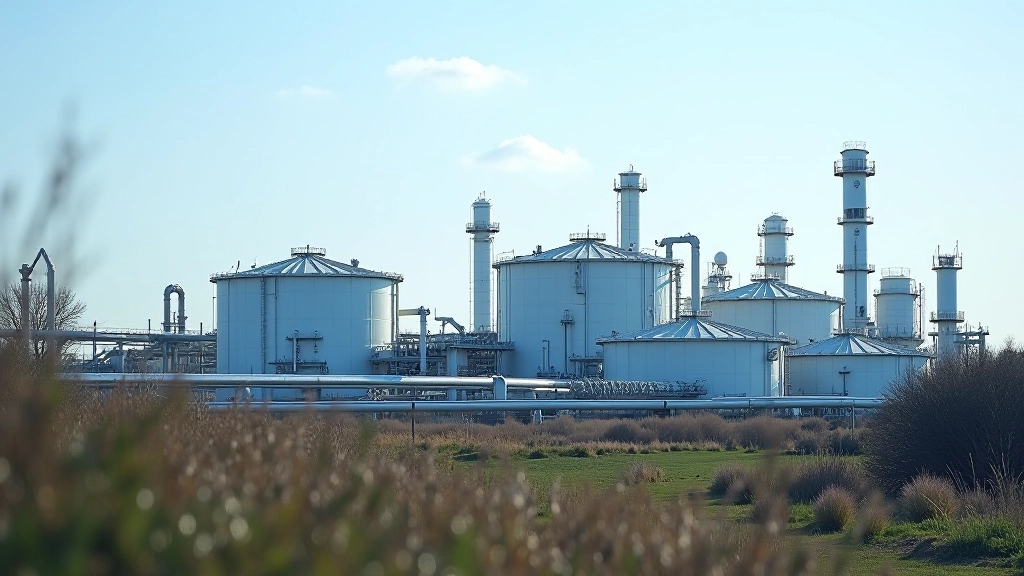
Modern natural gas processing facility with multiple storage tanks and pipeline infrastructure against clear sky
World map highlighting major natural gas exporting countries with Canada prominently featured in energy supply network

Global Market Position

When energy demand spikes in Asia or Europe, Canadian natural gas fills critical gaps. The country’s LNG terminals — particularly facilities in British Columbia — operate at significant capacity. This isn’t theoretical; in 2025, Canada exported over 45 million tonnes of LNG annually, making it one of the world’s top three exporters.

What makes Canada distinct? It’s the combination of abundant reserves, advanced extraction technology, and established export infrastructure. Companies operating here’ve invested heavily in production efficiency. The sector supports over 150,000 direct and indirect jobs across provinces. From field workers to engineers to port operators, the employment ecosystem is substantial and specialized.

How Production Works

Canadian natural gas extraction follows a specific pathway. Wells in Alberta, British Columbia, and Saskatchewan pull raw gas from deep underground formations. The gas then travels through extensive pipeline networks — some spanning thousands of kilometers — to processing facilities.

At these facilities, technicians remove impurities, separate liquid hydrocarbons, and prepare the gas for liquefaction. The liquefaction process cools natural gas to -162 degrees Celsius, reducing its volume by 600 times. This transformation enables efficient ocean transport in specialized tanker vessels.

It’s a complex operation requiring significant technical expertise. Safety protocols are stringent — regulations ensure environmental protection and worker security at every stage. The entire supply chain, from wellhead to export terminal, involves thousands of professionals maintaining equipment, monitoring systems, and optimizing performance.

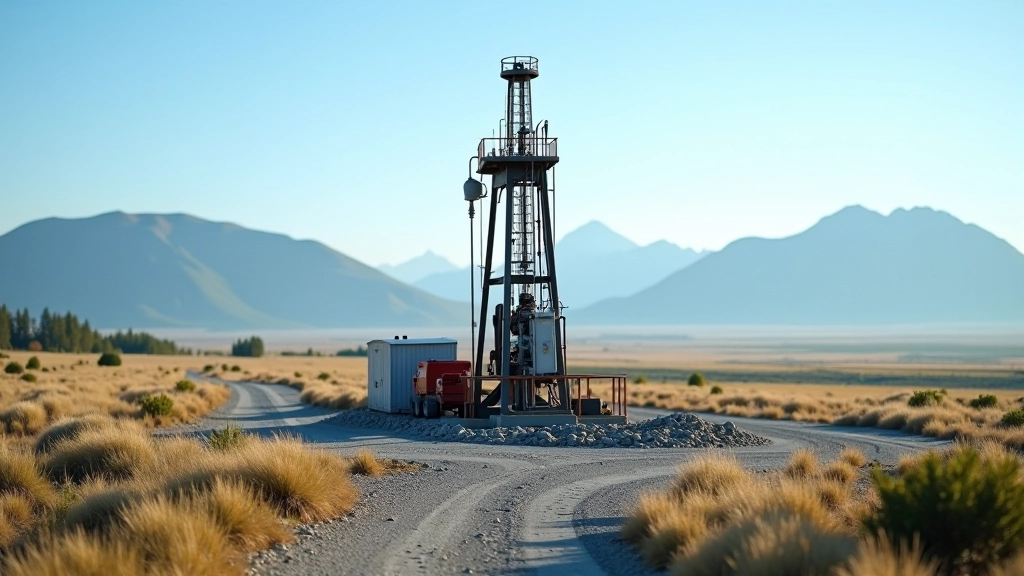
Industrial natural gas production equipment showing wellhead infrastructure and pipeline connections in remote Canadian landscape
Financial charts and economic data visualization showing natural gas export revenue trends and market analysis

Economic Contributions and Revenue

The natural gas export sector generates substantial revenue for Canada. Annual export values have reached $20+ billion in recent years, though prices fluctuate based on global market conditions. These revenues flow to federal and provincial governments through corporate taxes, resource royalties, and employment income taxes.

Regional impacts are particularly significant. Communities near production areas experience direct economic benefits — higher wages, increased business activity, and infrastructure development. Alberta and British Columbia’ve seen considerable investment in port facilities, pipeline construction, and related industrial infrastructure. This isn’t limited to extraction sites; it extends to engineering firms, logistics companies, and financial services supporting the sector.

However, revenues aren’t guaranteed. Natural gas prices respond to global supply-demand dynamics, geopolitical events, and shifts in energy consumption patterns. Companies operating in Canada must navigate commodity price volatility while maintaining competitive production costs.

Strategic Importance in Global Energy Security

Canada’s LNG exports address a critical global need. Countries across Europe and Asia depend on reliable natural gas supplies for electricity generation, industrial processes, and heating. When supply disruptions occur elsewhere, Canadian exports fill the gap. This reliability makes Canada a strategic energy partner.

Diversified Supply Chains

Countries benefit from having multiple suppliers. Over-dependence on any single source creates vulnerability. Canada provides an alternative to Russian supplies and other concentrated sources, strengthening global energy security and reducing geopolitical risks.

Stable Production Capacity

Unlike some regions experiencing resource depletion, Canadian reserves support decades of production. Established infrastructure and proven extraction methods mean predictable supply. This stability attracts long-term contracts and investment from international energy companies.

Environmental Standards

Canadian production operates under strict environmental regulations. Companies implement emissions reduction technologies, water management protocols, and land restoration practices. These standards, while increasing operational costs, differentiate Canadian gas as a responsible energy choice.

The Energy Transition Challenge

Global energy markets are shifting. Renewable technologies continue advancing, and net-zero commitments reshape demand forecasts. Natural gas faces a complex future — it’s cleaner than coal but still a fossil fuel. This positioning creates both opportunities and challenges for Canada’s export sector.

Many forecasts suggest natural gas demand will remain substantial through 2040 and beyond. Industries like chemicals, fertilizers, and heavy manufacturing depend on natural gas as both fuel and feedstock. Transition economies — countries moving away from coal — often choose natural gas as an intermediate step. So while renewables grow, natural gas demand persists.

Canada’s strategy involves leveraging natural gas as a transition fuel while investing in carbon capture technology. Some export projects incorporate carbon capture and storage (CCS), reducing emissions intensity. These technological investments position Canadian LNG competitively as global standards tighten.

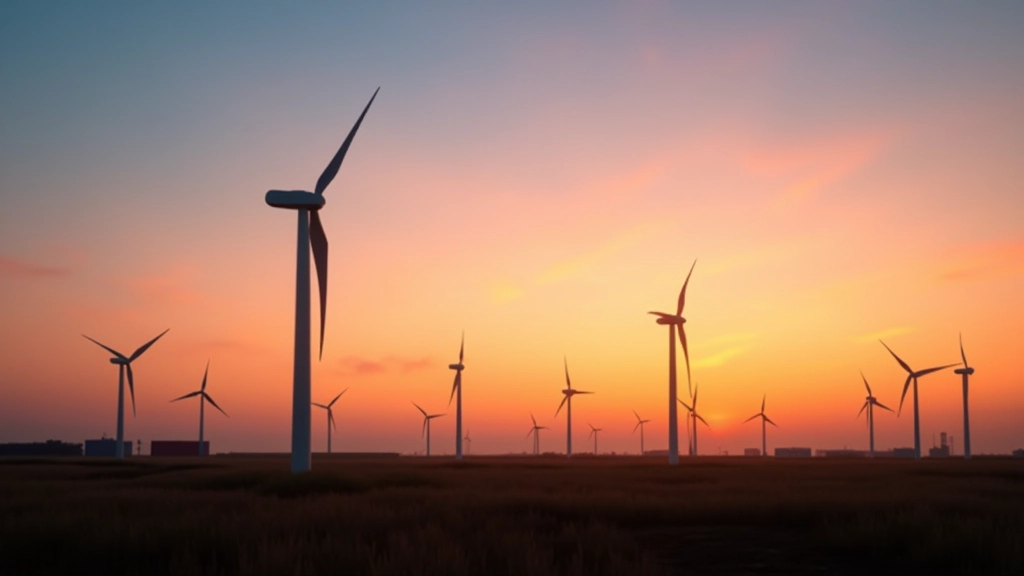
Wind turbines and natural gas facilities side by side representing energy transition and fossil fuel to renewable shift

Key Takeaways

Canada’s natural gas export sector is more than an economic engine — it’s a critical component of global energy infrastructure. The country exports approximately 45 million tonnes of LNG annually, serving markets across Asia, Europe, and beyond. This position generates significant revenue, supports extensive employment, and strengthens Canada’s international standing.

Supply Stability: Established reserves and production capacity make Canada a reliable long-term partner for energy-importing nations.
Economic Contribution: The sector generates billions in annual export revenue while supporting 150,000+ direct and indirect jobs.
Transition Role: Natural gas serves as a bridge fuel during global energy transition, with Canadian producers investing in emissions-reduction technologies.
Strategic Value: Diversified energy supplies strengthen global security by reducing over-dependence on concentrated sources.

Looking forward, Canada’s natural gas sector will navigate evolving market conditions, technological change, and shifting energy demand. The transition toward cleaner energy doesn’t eliminate natural gas demand — it reshapes how the sector operates and positions itself competitively. Understanding these dynamics helps explain Canada’s energy role and economic contributions to the global market.

Disclaimer

This article provides educational information about Canada’s natural gas export sector, market dynamics, and economic contributions. The content is based on publicly available data and industry analysis as of March 2026. Export volumes, prices, and market conditions fluctuate continuously based on global supply-demand factors. This information is for informational purposes only and doesn’t constitute financial, investment, or policy advice. For specific questions about energy markets, export regulations, or investment opportunities, consult with relevant government agencies, industry professionals, or financial advisors. Market forecasts and projections involve uncertainty and may not reflect actual future outcomes.