




Nexus Energy Logo Nexus Energy Contact Us
Menu
Contact Us

Canada’s Energy Sector: Economics, Impact & Transition

Explore the complexities of oil sands production, natural gas exports, renewable energy costs, and how resource revenues shape Canada’s fiscal landscape.

Industrial oil and gas facility with steel infrastructure against cloudy sky

Featured Articles

In-depth analysis of Canada’s energy economy and resource management

Mining excavator working in open pit with mineral deposits visible

Oil Sands Economics: Production Costs and Market Dynamics

How extraction costs, commodity prices, and technological advances shape the profitability of Canada’s oil sands industry.

12 min Intermediate March 2026
Read More
Liquefied natural gas tanker ship on ocean with industrial port in background

Natural Gas Exports: Canada’s Role in Global Energy Markets

Understanding liquefied natural gas exports, pricing mechanisms, and Canada’s competitive position in international markets.

10 min Intermediate March 2026
Read More
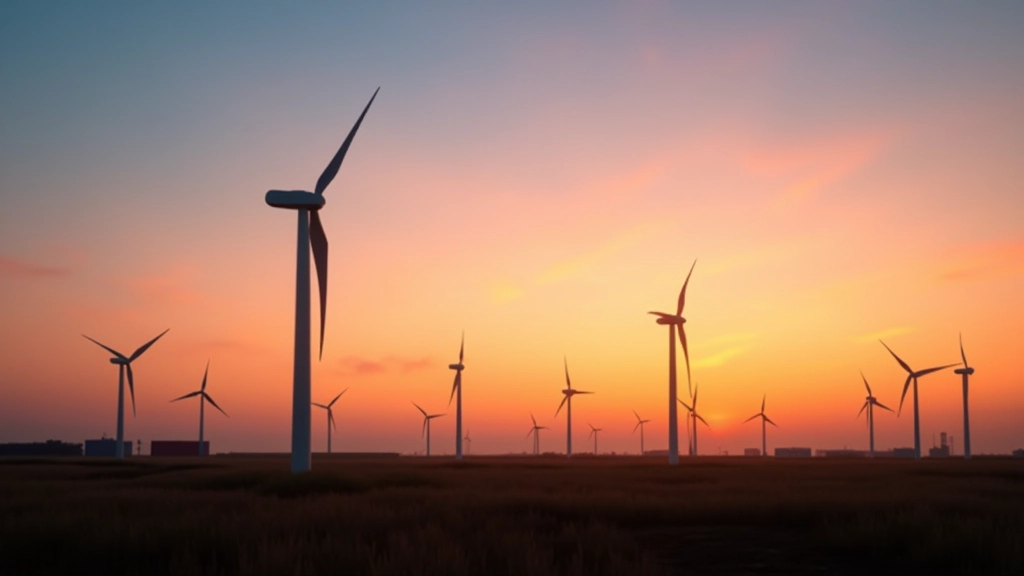
Wind turbines in field at sunset with modern renewable energy infrastructure

Renewable Energy Transition: Costs, Timeline, and Economic Impact

Analyzing the financial requirements for transitioning to renewable energy sources and the macroeconomic implications for Canada’s economy.

14 min Advanced March 2026
Read More
Government building with columns and flag, representing fiscal policy and resource revenue management

Resource Revenue Fiscal Contribution: Federal and Provincial Impact

How resource revenues from energy sector contribute to government budgets and influence fiscal policy across Canada’s provinces.

11 min Intermediate March 2026
Read More

Key Economic Insights

Market Volatility

Oil and natural gas prices fluctuate based on global supply-demand dynamics, geopolitical events, and currency exchange rates affecting Canada’s export competitiveness.

Production Capacity

Canada’s oil sands represent significant proven reserves, but production requires substantial capital investment and ongoing operational costs to remain competitive globally.

Energy Transition

The shift toward renewable energy creates both economic challenges for traditional energy sectors and opportunities for new technology investments and job creation.

Government Revenue

Resource revenues provide critical funding for government programs, infrastructure, and services, though dependency on commodity prices creates fiscal uncertainty.

Understanding Canada’s Energy Landscape

Canada’s energy sector is fundamental to the national economy. The oil sands in Alberta represent one of the world’s largest proven reserves, though extraction remains capital-intensive and sensitive to global market conditions. Natural gas production and liquefied natural gas exports provide diversified revenue streams, particularly for British Columbia and other provinces.

The transition toward renewable energy presents both challenges and opportunities. While wind, solar, and hydroelectric power generation expand, the existing energy infrastructure requires careful management during the shift. The costs associated with renewable energy deployment, grid modernization, and workforce transition represent significant macroeconomic considerations.

Resource revenues contribute substantially to federal and provincial governments. Alberta’s oil and gas royalties, combined with federal corporate taxes from energy companies, fund public services and infrastructure. Understanding these fiscal relationships helps explain energy policy decisions and the economic interdependencies across Canada’s regions. The challenge lies in balancing economic growth, fiscal sustainability, and environmental objectives.