
Natural Gas Exports: Canada’s Role in Global Energy Markets
How Canada’s liquefied natural gas production affects global energy prices and supply security.
Read ArticleHow extraction costs, commodity prices, and technological advances shape the profitability of Canada’s oil sands industry.
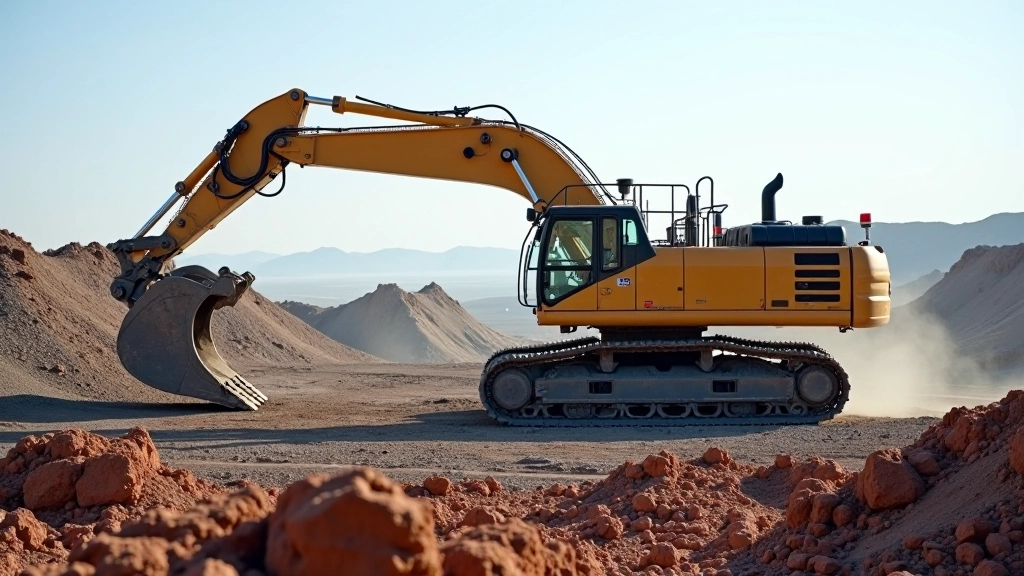
Canada’s oil sands represent one of the world’s largest proven crude oil reserves — but they’re not simple to extract. Unlike conventional oil wells where crude flows naturally, oil sands require significant capital investment and ongoing operational costs. The economics depend on three critical factors: how much it costs to pull the oil from the ground, what global markets will pay for it, and how efficiently producers can operate their facilities.
The industry has evolved dramatically over the past two decades. Production techniques have improved, equipment has become more efficient, and companies have learned to optimize their operations. Yet profitability remains volatile because it’s tied directly to global crude prices — a factor no Canadian producer can control. When oil sells for $100 per barrel, margins look healthy. When prices drop to $50, operations become marginal or unprofitable.
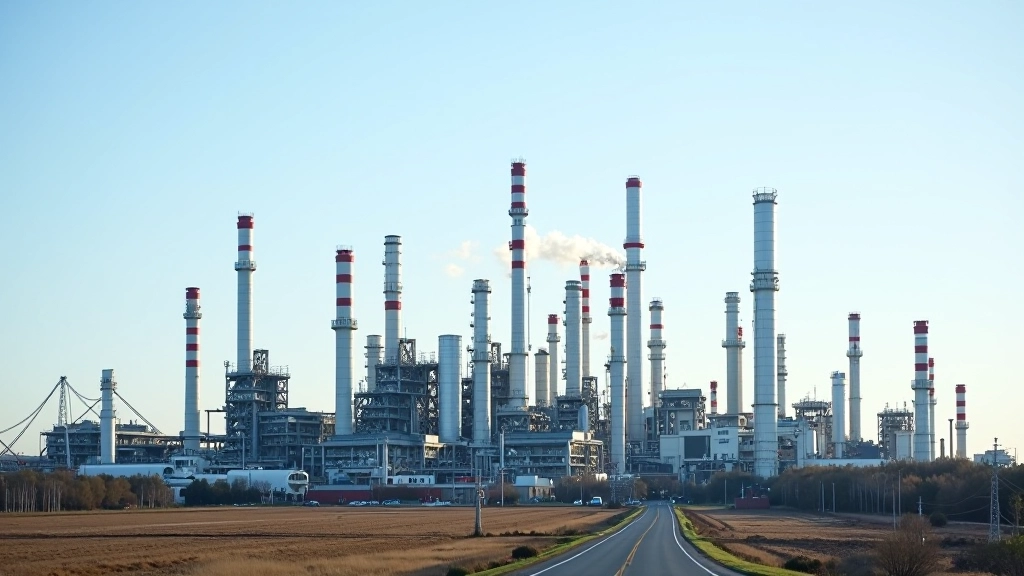
There’s no single “cost per barrel” figure — it varies significantly across operators and extraction methods. In-situ operations (using steam to heat oil underground) typically cost between $25-40 per barrel in operating expenses. Surface mining operations run $30-50 per barrel. These figures don’t include capital costs for building facilities, which can reach billions of dollars.
What drives these costs? Energy consumption is huge. You’re essentially using natural gas to generate steam, then using more energy to process the extracted bitumen. Labor costs matter too — a single oil sands operation might employ 500-1000 workers. Then there’s environmental compliance: water treatment, tailings management, and emissions monitoring add measurable expenses to every operation.


Oil sands producers don’t set prices — they accept them. The global crude market determines Brent and WTI prices daily. Canadian oil typically trades at a discount to these benchmarks because it’s heavier and requires additional refining. That discount varies from $5-20 per barrel depending on market conditions.
This creates a profitability squeeze. If your all-in cost is $35 per barrel and the global price is $45, you’re making $10 profit per barrel. But if prices drop to $35, you’re breaking even at best. When prices fall below $30, many operations shut in (pause production) because they’d lose money operating. The 2015-2016 downturn taught this lesson brutally — crude fell below $30, and Canadian production declined by hundreds of thousands of barrels daily.
“Profitability in oil sands depends on maintaining operational efficiency while managing capital discipline during downturns. Operators who’ve invested in cost reduction are better positioned when commodity cycles turn.”
— Energy sector analysis
The oil sands industry isn’t static. Over the past 15 years, operators have invested heavily in technology to reduce costs. Solvent-assisted extraction methods use less steam, cutting energy consumption by 30-40 percent compared to traditional steam-assisted gravity drainage (SAGD). Companies are deploying automation in mining operations, using autonomous haul trucks that improve safety and reduce labor costs.
Data analytics and monitoring systems are now standard. Real-time sensors track steam quality, bitumen recovery rates, and equipment performance. When a system underperforms, engineers identify the issue within hours rather than days. These incremental improvements compound — a facility that improves efficiency by 5 percent might reduce its break-even price from $38 to $36 per barrel. That’s significant when global markets are volatile.
Steam-assisted gravity drainage continues improving with better thermal efficiency and lower greenhouse gas intensity per barrel produced.
Autonomous equipment and advanced processing reduce operational costs while improving worker safety and environmental outcomes.
AI and machine learning predict equipment failures and optimize production parameters, extending facility lifespan.

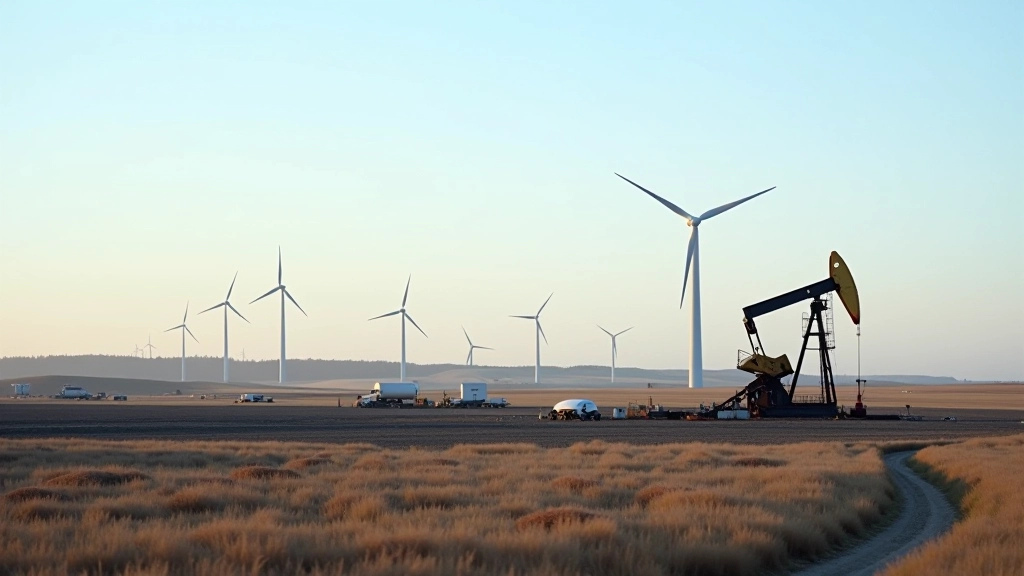
The long-term economics of oil sands are increasingly shaped by global climate policy. Carbon pricing in Canada adds roughly $15-20 per barrel to operating costs (depending on carbon price levels). Regulatory pressure to reduce emissions intensity drives investment in lower-carbon extraction methods and carbon capture technology.
Yet global oil demand remains resilient. Most forecasts project continued crude demand through 2040, though growth rates slow compared to the 2000s. The economics ultimately depend on this question: as global demand gradually declines, can Canadian producers maintain profitability with lower production volumes but acceptable margins? That answer isn’t determined yet — it’ll depend on cost management, technological advancement, and commodity prices over the next decade.
Oil sands economics boil down to a straightforward equation: can you extract oil for less than the market price? But that equation is complicated by high capital requirements, volatile commodity markets, and rising environmental compliance costs.
Producers who’ve invested in efficiency, automation, and lower-carbon methods are better positioned for profitability. Technology improvements over the past decade have genuinely reduced costs and emissions intensity. Yet the industry remains price-takers in a global market — when crude prices collapse, even efficient operators struggle.
Understanding these dynamics is essential for investors, policymakers, and anyone interested in Canada’s economic future. The oil sands generate significant government revenue and employment, but their long-term viability depends on maintaining competitive cost positions while adapting to energy transition realities.
This article provides educational information about oil sands production economics for informational purposes only. It isn’t investment advice, financial guidance, or professional analysis. Oil prices, production costs, and market conditions change regularly. Cost figures and estimates presented represent general ranges and vary significantly by operator, location, and extraction method. Anyone making investment or business decisions related to the energy sector should consult qualified financial advisors, industry specialists, and current market data. Past performance doesn’t guarantee future results, and commodity markets remain inherently unpredictable.