
Nexus Energy Logo Nexus Energy Contact Us
Menu
Contact Us

Canada’s Energy Sector: Economics and Transition

Understanding oil sands production, natural gas exports, renewable energy costs, and resource revenue’s fiscal impact on Canada’s economy.

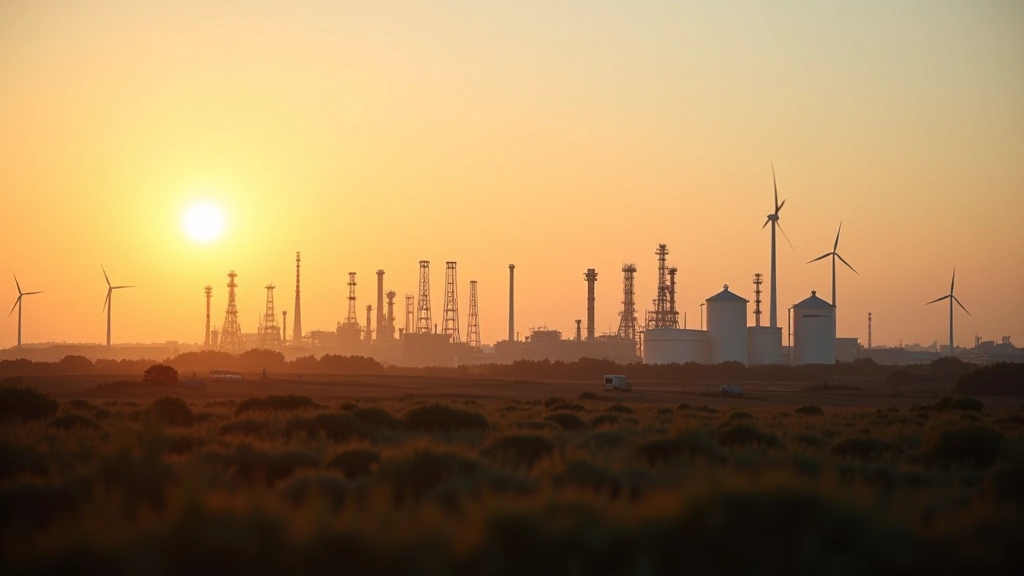
Modern energy infrastructure with oil refinery and wind turbines in industrial landscape
$120B+ Annual Sector Revenue
500K+ Direct Jobs
4M Barrels Daily Production
$89B Government Revenue (2023)

Key Topics in Canada’s Energy Landscape

Comprehensive analysis of production economics, export markets, transition costs, and fiscal contributions that shape Canada’s energy future.

Oil Sands Economics

Extraction costs fluctuate with crude prices and technology. Understanding production economics reveals why the industry remains globally competitive despite high capital requirements and environmental considerations.

Natural Gas Exports

Canada’s LNG exports reach Asian markets, creating jobs and government revenue. The sector faces competition from Australia and the Middle East while expanding North American pipeline infrastructure.

Renewable Energy

Solar, wind, and hydro transitions require billions in investment. Analysis shows infrastructure costs, grid modernization expenses, and the timeline for meaningful renewable penetration.

Fiscal Contribution

Resource revenues fund provincial budgets and federal programs. Understanding tax structures, royalty systems, and revenue volatility reveals the sector’s importance to public services.

Production Scale

Canada ranks among global energy leaders. The industry’s scale, from upstream exploration to downstream refining, creates economic multiplier effects across regions.

Market Integration

Energy markets connect Canada to US refineries and global commodity traders. Trade relationships, pipeline capacity, and geopolitical factors influence pricing and demand.

How Energy Economics Shape Policy

The journey from resource extraction to fiscal impact involves multiple stakeholders, market forces, and policy decisions.

01

Resource Extraction

Companies invest in exploration, drilling, and mining operations. Upfront capital costs reach billions for major projects. Production volumes depend on commodity prices, technology, and regulatory approvals.

02

Processing & Transportation

Oil undergoes refining, gas gets liquefied or piped. Infrastructure includes pipelines, refineries, and export terminals. Transportation costs significantly impact competitiveness and market access.

03

Market Sales & Revenue

Products sell on global or continental markets. Prices fluctuate based on supply, demand, and geopolitics. Revenue streams feed back into government royalties and corporate profits.

04

Fiscal Distribution

Governments collect taxes, royalties, and lease revenues. These funds support healthcare, education, and infrastructure. Revenue volatility creates budget challenges during price downturns.

Understanding Canada’s Energy Sector

Canada’s energy sector isn’t just about oil and gas. It’s a complex system involving exploration companies, refineries, pipelines, export facilities, and renewable energy producers. The sector employs hundreds of thousands directly and supports millions more through supply chains.

Oil sands production costs roughly $40-80 per barrel depending on technology and location. Natural gas prices swing based on North American supply and global LNG competition. Renewable energy expansion requires massive grid investment. Understanding these economics helps explain policy debates, investment decisions, and regional development.

Resource revenue flows through federal and provincial governments. Alberta, Saskatchewan, and Newfoundland & Labrador depend heavily on these revenues for budgets. When oil prices fall, provincial budgets face real pressure. When prices rise, governments collect billions. This volatility shapes long-term planning and fiscal policy.

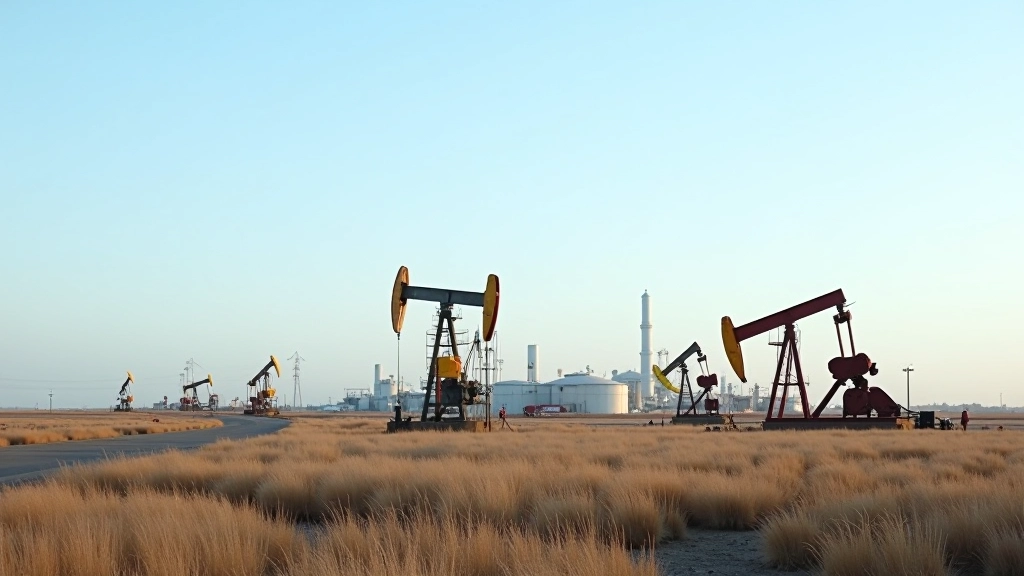
Oil and gas facility with multiple extraction platforms and industrial infrastructure in natural landscape

Canada’s Energy Sector by the Numbers

Key metrics that illustrate the scale and economic importance of energy production in Canada.

4M
Barrels of Oil Daily

Canada produces roughly 4 million barrels per day, making it one of the world’s top producers. Most goes to the US market via pipeline.

500K+
Direct Employment

Over 500,000 Canadians work directly in energy extraction, processing, and distribution. Indirect jobs in supply chains add hundreds of thousands more.

$89B
Government Revenue (2023)

Federal, provincial, and municipal governments collected approximately $89 billion in resource revenues, taxes, and royalties in 2023 alone.

75%
Export Destination: USA

Three-quarters of Canadian oil exports go to US refineries. This integration reflects geography, pipeline infrastructure, and historical trade relationships.

Insights from Energy Sector Analysis

Perspectives on how economic forces shape Canada’s energy landscape and fiscal policy decisions.

“The oil sands industry isn’t just about extraction costs. You’ve got to understand how technology improvements, environmental regulations, and global competition all interact. It’s way more complex than people realize.”
Dr. Michael Chen Energy Economist
“Natural gas exports matter for job creation in coastal provinces. The LNG sector isn’t huge yet, but it’s growing. Understanding export economics helps explain why provinces invest in terminal infrastructure.”
Sarah Martinez Trade Policy Analyst
“Renewable transition costs get debated a lot. The real question isn’t whether we can do it — it’s about timeline and who pays for grid upgrades. That’s where the fiscal impact becomes clear.”
James Wright Infrastructure Analyst

Featured Energy Topics

In-depth analysis of oil sands economics, natural gas markets, renewable costs, and fiscal contributions shaping Canada’s energy policy.

Mining excavator working in open pit with mineral deposits visible

Oil Sands Economics: Production Costs and Market Dynamics

How extraction costs, commodity prices, and technological advances shape the profitability of Canada’s oil sands industry.

Read Analysis
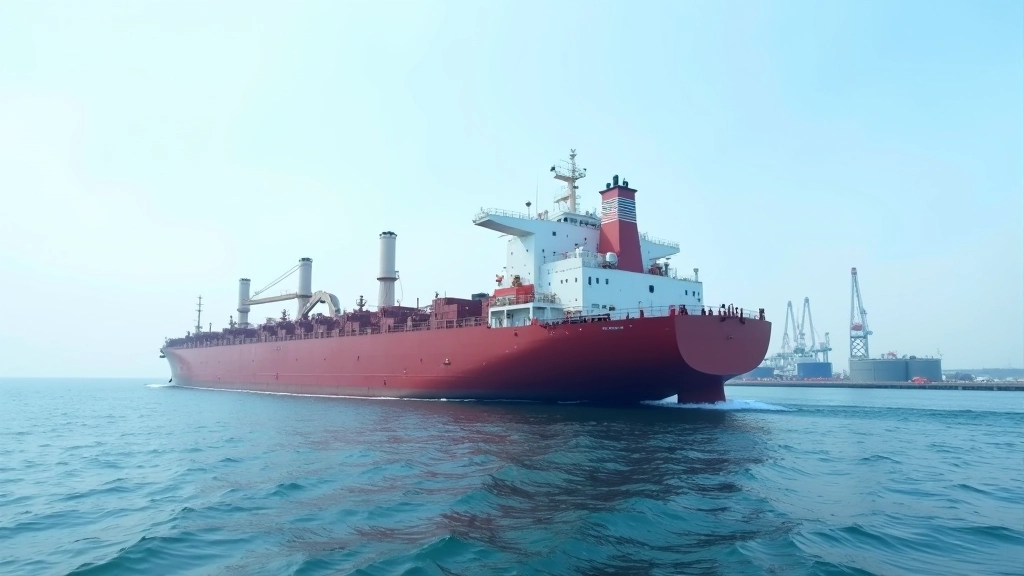
Liquefied natural gas tanker ship on ocean with industrial port in background

Natural Gas Exports: Canada’s Role in Global Energy Markets

Exploring how Canada’s natural gas reaches international markets, the economics of LNG exports, and competitive positioning in global energy trade.

Read Analysis
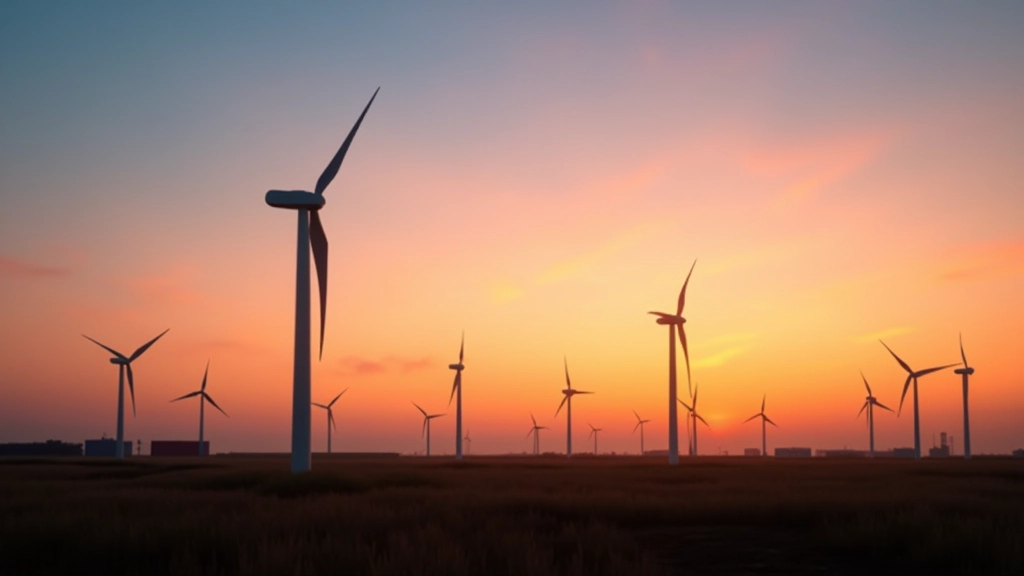
Wind turbines in field at sunset with modern renewable energy infrastructure

Renewable Energy Transition: Costs, Timeline, and Economic Impact

Understanding the fiscal and economic implications of transitioning Canada’s energy system toward renewable sources and clean technology.

Read Analysis

Explore Canada’s Energy Economics

Get detailed analysis on oil sands production, natural gas exports, renewable energy costs, and how resource revenues shape fiscal policy across Canada.

Contact Us for More Information

Research-Based Content

Our analysis draws on government statistics, industry reports, and academic research to explain energy economics clearly.

Sector Coverage

We cover oil and gas production, renewable energy development, export markets, employment, and fiscal contributions across Canada.

Policy Perspective

Understand how energy economics influence government policy decisions, investment priorities, and long-term energy planning.